

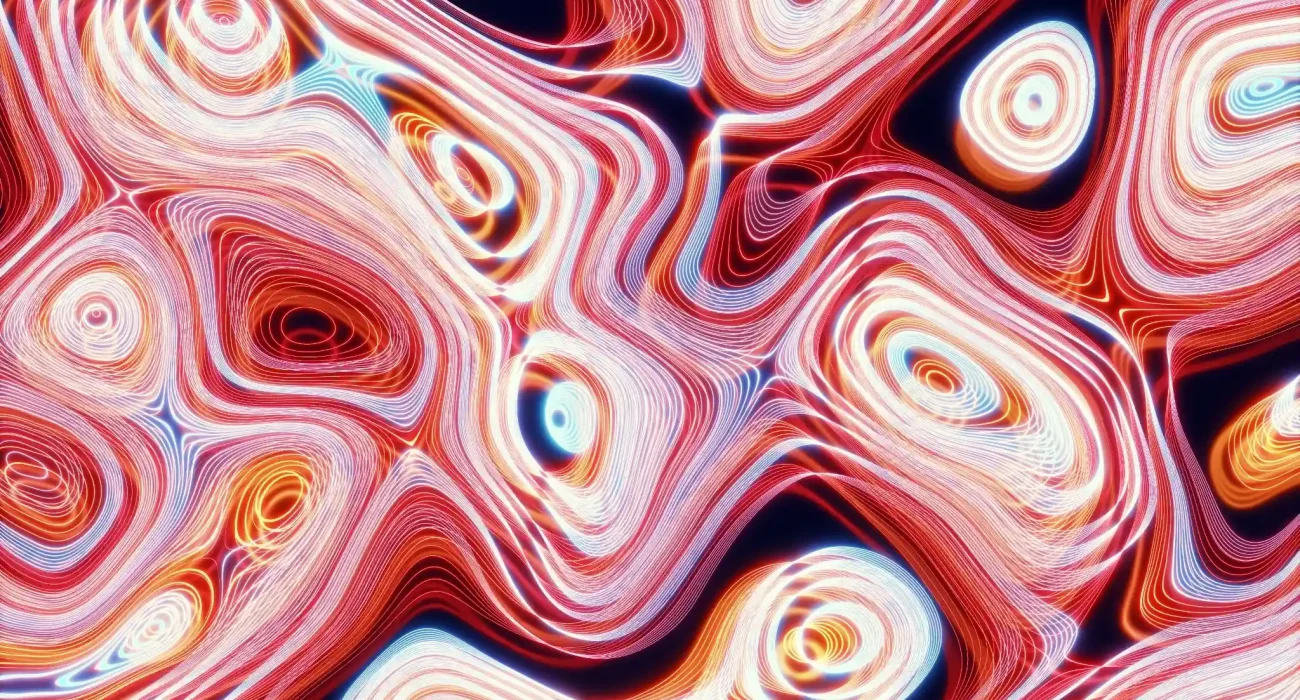
Generative art is a fascinating blend of creativity and technology. It stands apart from traditional art forms by using algorithms and data as primary tools. This blog will explore famous generative art examples and the artists behind them, highlighting their significance in the digital art world.
Defining Famous Generative Art
Characteristics of Generative Art
At its core, generative art is created through a system. This system can be an algorithm, a set of rules, or even a computer program. Unlike conventional art, where the artist has full control, generative art introduces randomness and variability. This unpredictability can lead to unique outcomes, making each piece distinct.
Generative art often incorporates elements of mathematics and programming. Artists can create intricate patterns, dynamic visuals, and immersive experiences. The beauty lies in the collaboration between artist and machine, where the unexpected often leads to captivating results.
Importance of Algorithms
Algorithms are the backbone of generative art. They provide the instructions for creating artwork, guiding the process from start to finish. Artists can manipulate variables within these algorithms to explore different outcomes. This flexibility allows for endless creativity and experimentation.
For example, an artist might use an algorithm to generate a visual representation of data. By changing parameters, they can create a piece that evolves. This dynamic nature engages viewers, inviting them to experience art in new ways.
Iconic Generative Artworks
“AARON” by Harold Cohen
One of the most notable figures in generative art is Harold Cohen. His creation, AARON, is a pioneering software program that generates original artwork. AARON uses a set of rules to draw and paint, simulating the creative process of a human artist.
Cohen developed AARON in the 1970s, making it one of the first examples of computer-generated art. The program has evolved over the years, producing a wide range of pieces that showcase color, form, and composition. Cohen’s work with AARON raises questions about authorship and creativity in the digital age. Can a machine truly create art, or is it merely following instructions?
“P-511/D” by Manfred Mohr
Another significant contribution to generative art comes from Manfred Mohr. His piece “P-511/D” exemplifies the use of algorithms to create visually stunning art. Mohr’s work often involves complex mathematical structures, resulting in intricate patterns and shapes.
“P-511/D” uses a set of predefined rules to generate visuals that evolve. The artwork is not static; it continuously changes, making each viewing experience unique. This dynamic quality is a hallmark of generative art, engaging audiences and inviting them to explore the piece further.
“Software Structures” by Casey Reas
Casey Reas is a key figure in the generative art movement, known for co-creating Processing, a programming language designed for artists. His work “Software Structures” demonstrates the principles of generative art through a series of interactive pieces.
In “Software Structures,” Reas combines visual elements with algorithmic processes. The artwork responds to user input, creating a dialogue between the viewer and the piece. This interaction enhances the experience, making it more personal and engaging.
Reas’s contributions to generative art extend beyond his own work. Processing has become a widely used tool among artists, educators, and designers. It empowers individuals to explore the realm of generative art, fostering a new generation of creators.
“Sunflower” by J. David Betancourt
J. David Betancourt’s “Sunflower” is another remarkable example of generative art. This piece utilizes a simple algorithm to create intricate floral patterns. By manipulating a few parameters, Betancourt generates a variety of unique sunflower designs.
“Sunflower” showcases the beauty of generative art’s simplicity. The algorithm’s ability to produce diverse results emphasizes the potential of minimal input leading to complex outcomes. This work invites viewers to appreciate the interplay between nature and technology, highlighting how algorithms can mimic organic forms.
Influential Generative Artists
Frieder Nake
Frieder Nake is a pioneer in the field of computer-generated art. His work spans several decades, exploring the intersection of art and mathematics. Nake’s pieces often incorporate geometric shapes and patterns, demonstrating the beauty of mathematical principles.
His contributions to generative art have influenced countless artists. Nake’s approach emphasizes the importance of algorithms and their role in the creative process. By pushing the boundaries of traditional art, he has paved the way for future generations of artists.
Casey Reas
As mentioned earlier, Casey Reas is a pivotal figure in generative art. His work with Processing has made it accessible to a broader audience. Reas’s art often explores themes of randomness and order, challenging viewers to reconsider their understanding of creativity.
His unique perspective encourages artists to embrace technology as a tool for expression. Reas’s influence extends beyond his individual works, shaping the entire generative art community.
Manfred Mohr
Manfred Mohr’s contributions to generative art are profound. His use of algorithms to create dynamic visuals has set a standard for the field. Mohr’s work often reflects a deep understanding of computer science and mathematics, merging these disciplines with artistic expression.
His pieces invite viewers to engage with the artwork on multiple levels. By exploring the underlying algorithms, audiences can gain insight into the creative process. Mohr’s ability to blend technical skill with artistic vision makes him a key figure in the history of generative art.
Contemporary Examples of Famous Generative Art
“The Garden of Forking Paths” by Refik Anadol
In contemporary generative art, Refik Anadol stands out with his installation “The Garden of Forking Paths.” This immersive experience combines data visualization and generative design. Anadol uses algorithms to transform data into stunning visual narratives.
The installation invites viewers to explore a digital landscape that evolves in real time. As visitors interact with the piece, they become part of the artwork. Anadol’s work exemplifies the potential of generative art to create engaging and interactive experiences.
“Data Drift” by Ryoji Ikeda
Ryoji Ikeda’s “Data Drift” is another compelling example of contemporary generative art. This installation explores the intersection of sound and visuals, using data as its foundation. Ikeda’s work challenges viewers to consider the role of data in our lives.
In “Data Drift,” Ikeda employs algorithms to create a sensory experience that blurs the lines between art and technology. The piece encourages audiences to reflect on the impact of data on our perception of the world. By merging sound and visuals, Ikeda creates a holistic experience that captivates the senses.
Conclusion
Famous generative art has significantly shaped the digital landscape. From the pioneering work of artists like Harold Cohen and Manfred Mohr to contemporary installations by Refik Anadol, generative art continues to evolve. Its unique qualities challenge our understanding of creativity and authorship. As technology advances, the possibilities for generative art are endless. Artists can explore new techniques and media, pushing the boundaries of what is considered art. This dynamic field invites both creators and viewers to engage with art in innovative ways.
Generative art is not just a trend; it represents a fundamental shift in artistic practice. By embracing algorithms and technology, artists are redefining the creative process. This exploration offers a glimpse into the future of art, where collaboration between human and machine leads to new forms of expression. As you delve into the world of generative art, consider the stories behind the pieces. Each artwork is a testament to the creativity and ingenuity of its creator. Whether you’re an artist, a technologist, or simply an art enthusiast, there’s much to discover in this captivating realm.