

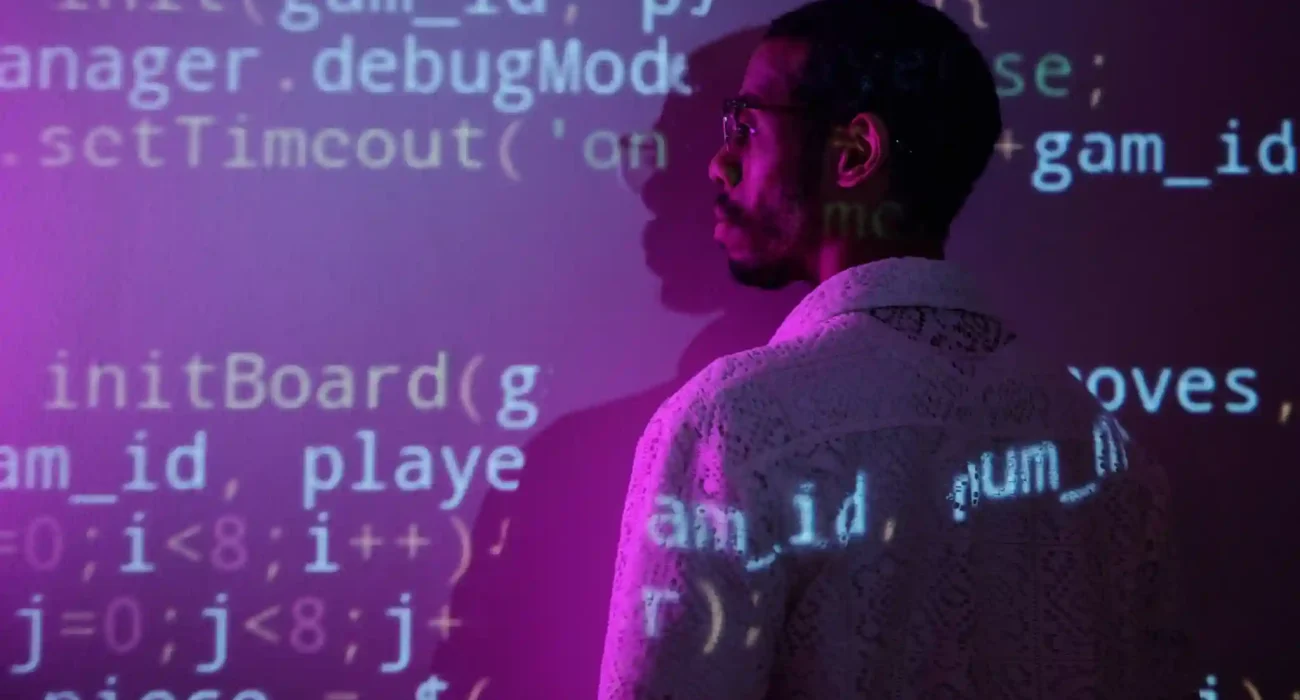
Creative coding is where art meets technology. It opens up endless possibilities for artists and programmers alike. This tutorial will guide you through common pitfalls, problem-solving strategies, and valuable insights to deepen your understanding of programming in visual art. Whether you’re a seasoned coder or an artist exploring coding for the first time, this guide will help you navigate the challenges and enhance your creative practice.
Understanding the Creative Coding Landscape
Defining Creative Coding
Creative coding is not just about writing code; it’s about expressing ideas through technology. It thrives on the intersection of creativity and programming. While technical skills are essential, creativity is the true heart of this practice. It allows artists to experiment and push boundaries, making the digital canvas limitless. By embracing this blend, artists can explore new dimensions of creativity that traditional methods may not offer, leading to innovative and engaging works.
Tools and Technologies
As you dive into creative coding, you’ll encounter various tools and technologies. Languages like Processing and p5.js are popular choices. These platforms cater specifically to visual artists, providing libraries that simplify the coding process. OpenFrameworks is another powerful option for those seeking more control. Familiarizing yourself with these tools will enhance your creative journey. Each tool offers unique features and functionalities, so exploring them can inspire new artistic directions and techniques in your work.
Common Pitfalls After the Beginner Stage
Once you grasp the basics of coding, it’s easy to fall into certain traps. Recognizing these pitfalls is crucial for growth. Avoiding common mistakes can help you progress more effectively in your creative coding journey, allowing you to focus on innovation and artistic expression rather than getting stuck on technical challenges.
Over-Reliance on Pre-built Libraries
Many artists lean heavily on pre-built libraries. While these can save time, relying on them without understanding the underlying code is a mistake. It limits creativity and prevents true mastery. Take the time to learn how these libraries work. Experiment with modifying them. Your understanding will deepen, and so will your artistry. By grasping the fundamentals behind these libraries, you’ll gain more confidence in your coding abilities and be empowered to create more complex and original works.
Neglecting Code Optimization
As your projects grow in complexity, performance becomes a critical factor. Neglecting code optimization can lead to slow, laggy experiences. Efficient coding practices will enhance not only the performance of your visuals but also your overall workflow. Always look for ways to simplify your code without sacrificing quality. This is particularly important when working on larger projects or installations, where performance can significantly impact user experience and engagement with your art.
Failing to Document Code
Documentation is often overlooked, yet it’s essential for successful projects. Commenting on your code helps clarify your thought process for future reference. It also aids collaboration, should you choose to work with others. Develop a habit of documenting your code as you go. It will save you time and frustration down the road. Well-documented code makes it easier to revisit your projects after some time, as you’ll quickly recall your intentions and the logic behind your decisions.
Problem-Solving Strategies in Creative Coding
Creative coding is an iterative process. Embracing problem-solving strategies will help you navigate challenges effectively. Adopting a proactive mindset towards challenges will not only enhance your coding skills but also enrich your artistic practice, allowing for greater exploration and creativity.
Debugging Techniques
Debugging is an inevitable part of coding. When things go wrong, don’t panic. Start with simple methods like print statements to trace issues. Utilize built-in debuggers when available. Approach debugging systematically by isolating sections of your code. This process will not only fix your current issue but also sharpen your coding skills. By developing a systematic approach to debugging, you’ll become more efficient in identifying and resolving problems, ultimately leading to smoother project completion.
Iterative Development
Building artwork in small increments is a powerful strategy. Break your project into manageable parts and test each section. This approach allows you to identify problems early and experiment with variations. Embrace failure as a learning opportunity. Each iteration brings you closer to your artistic vision. Additionally, this method encourages continuous improvement and innovation, allowing you to refine your ideas and make adjustments based on feedback and self-reflection as your work evolves.
Seeking Feedback and Collaboration
Collaboration can elevate your work. Share your projects with peers and seek constructive feedback. Platforms like GitHub and social media communities can be invaluable for this. Engaging with fellow artists opens doors to new ideas and perspectives. Don’t hesitate to ask for help when you hit a wall. By fostering a collaborative environment, you can gain insights that challenge your existing notions and inspire new creative directions in your projects.
Experience-Based Insights from Established Artists
Learning from the experiences of established artists can provide invaluable insights. Their journeys often highlight the importance of resilience and adaptability in the creative coding landscape, offering lessons that can help you avoid common pitfalls and enhance your own artistic practice.
Learning from Mistakes
Mistakes are a part of the creative process. Many successful artists have faced failures before achieving their goals. For instance, Casey Reas, co-creator of Processing, encountered numerous challenges while developing his projects. These experiences shaped his approach to creative coding, emphasizing the importance of persistence and adaptability. Reflecting on failures can be a powerful learning tool, encouraging you to reassess your strategies and embrace new, innovative approaches in your work.
Continuous Learning and Adaptation
The tech landscape is ever-evolving. Staying current with trends and tools is crucial for any creative coder. Engage with online courses, attend workshops, or participate in hackathons. Continuous learning not only enhances your skills but also keeps your work fresh and relevant. This commitment to growth can lead to exciting new opportunities, collaborations, and innovations that keep your artistic practice dynamic and engaging.
Advanced Techniques in Creative Coding
Once you’re comfortable with the basics, explore advanced techniques to push your work further. Diving into these advanced methods can unlock new creative avenues and elevate your projects to new heights, transforming your artistic vision into reality.
Algorithmic Art Creation
Algorithmic art involves using mathematical algorithms to generate visuals. This technique can yield complex patterns and forms that are impossible to create by hand. Experiment with different algorithms to discover unique aesthetics. The beauty of algorithmic art lies in its ability to surprise both the artist and the audience. By exploring various mathematical concepts, you can create intricate designs that challenge traditional notions of art and expand your creative repertoire.
Interactive and Generative Installations
Creating interactive installations can transform your approach to art. These projects engage viewers in real-time, inviting them to become part of the experience. Start small by incorporating user inputs into your coding projects. As you gain confidence, consider larger installations that respond to audience interaction. This shift towards interactivity not only enhances viewer engagement but also allows for a collaborative artistic experience that evolves with each interaction.
Conclusion
Creative coding is a powerful tool for artists. It combines technical skills with artistic expression, allowing for endless exploration. As you continue your journey, remember to embrace challenges and learn from mistakes. The road to mastery is paved with persistence, curiosity, and creativity. By applying the insights and strategies outlined in this tutorial, you can enhance your creative coding skills. Dive deeper into the world of generative art, and let your imagination guide you. Embrace the journey of creative coding, and watch your artistic practice flourish.
FAQs
1. What is creative coding?
Creative coding is a practice that blends programming with artistic expression, allowing artists to create visual works through code. It emphasizes creativity alongside technical skills.
2. What tools are best for creative coding?
Popular tools include Processing, p5.js, and OpenFrameworks, which cater specifically to visual artists. Each offers unique features for experimenting with visual programming.
3. How can I improve my coding efficiency?
Focus on optimizing your code by simplifying algorithms and avoiding unnecessary complexity to enhance performance. Efficient coding practices can save time and resources.
4. How important is documentation in coding?
Documentation is crucial as it clarifies your thought process and aids future collaboration on projects. It ensures that your code is understandable and maintainable.
5. What are common mistakes in creative coding?
Common mistakes include over-reliance on libraries, neglecting optimization, and failing to document code effectively. Awareness of these can facilitate smoother project development.