

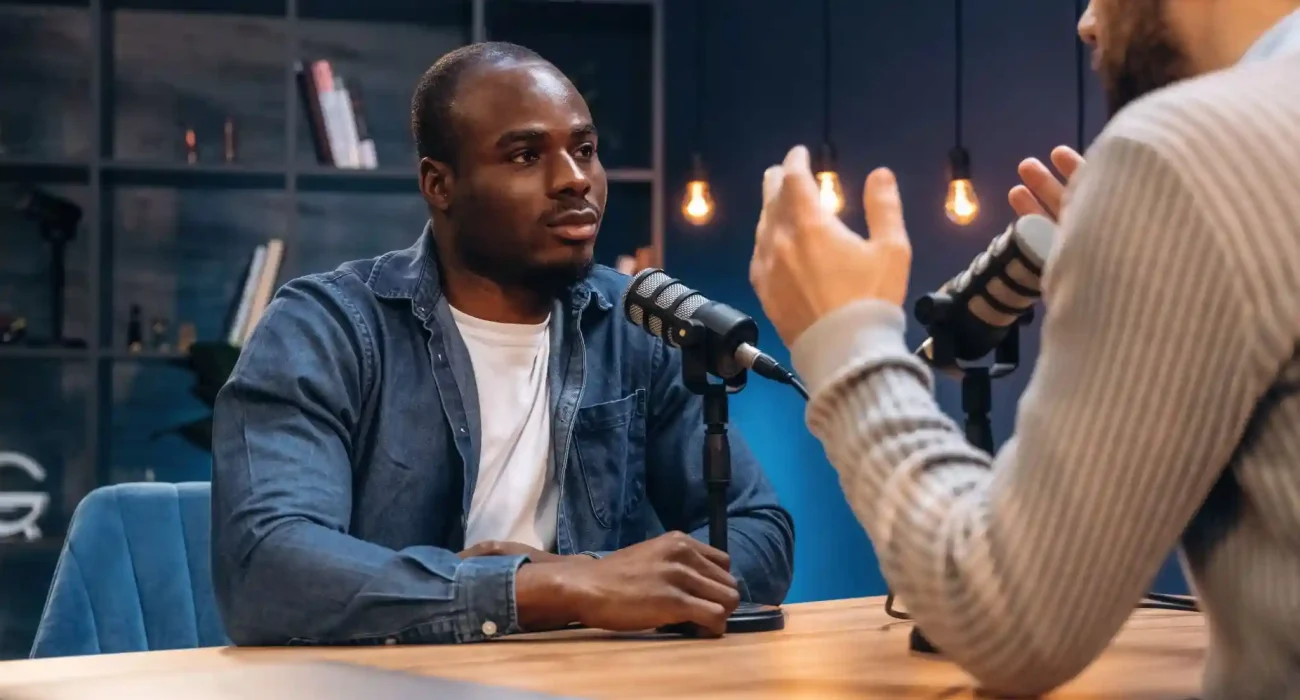
Artist interviews are more than just conversations; they are opportunities to showcase your vision, your journey, and your expertise. In 2026, with media channels and social platforms constantly evolving, a well-prepared interview can elevate an artist’s profile and open doors to collaborations, exhibitions, and media exposure. However, successful interviews require more than raw talent or creative insight. They demand strategy, foresight, and professional judgment. This guide offers expert artist interview tips for professionals who already understand the fundamentals of presenting their work, helping you approach every conversation with confidence and clarity.
Understanding the Purpose of Artist Interviews
An interview is a platform to communicate who you are as an artist and what your work represents. Beyond self-promotion, it builds credibility, informs your audience, and strengthens your personal brand. Professional interviews are different from casual conversations; they often have broader audiences, including collectors, critics, and media professionals, and require careful preparation. Understanding the purpose helps you craft answers that are meaningful, authentic, and aligned with your career goals. It’s not about speaking endlessly about your work; it’s about highlighting the aspects of your practice that resonate most with the audience while staying true to your identity.
Preparing for the Interview
Preparation is the backbone of a successful artist interview. A strategic approach can make the difference between a generic conversation and a memorable one. Start by researching the interviewer and the platform. Knowing your audience and style allows you to tailor your messaging without compromising authenticity. Decide which aspects of your work, journey, or techniques you want to emphasize, and anticipate questions that might arise.
Crafting Your Artist Narrative
Your narrative is the story you present to the world. A compelling artist story blends your background, influences, and creative philosophy into a coherent structure. Professional judgment is required here: share enough personal insight to engage the audience but avoid over-explaining or revealing sensitive details. Use anecdotes that illustrate your growth and style, and practice delivering them naturally. A well-crafted narrative is adaptable—it should suit a podcast, a print interview, or a video segment without feeling forced.
Anticipating Common Questions
Even experienced artists benefit from anticipating typical questions about inspiration, process, or career decisions. Preparing responses in advance ensures you remain concise and focused. Consider framing answers that highlight your unique perspective while avoiding clichés. For example, when asked about creative challenges, focus on lessons learned rather than complaints or overly technical explanations. This approach positions you as reflective and professional, increasing your credibility with both journalists and audiences.
Communication Techniques for Artists
How you communicate can be as important as what you communicate. Clarity, tone, and pacing are key elements. Speak deliberately and at a measured pace to ensure your message lands. Use pauses to emphasize important points and prevent filler words from diluting your answers. Body language, posture, and facial expressions reinforce your words. Even if the interview is virtual, maintaining eye contact with the camera and projecting energy can convey confidence.
Answering Difficult Questions Gracefully
Every interview has potential curveballs, whether it’s a critical question or a query about controversial topics. Professionals know how to navigate these without compromising their integrity. One technique is to pivot to broader themes that align with your artistic philosophy. Another is to acknowledge the question briefly, then focus on a positive or insightful point. Maintaining composure demonstrates maturity and control, signaling to audiences that you are a reflective and credible artist. The ability to respond thoughtfully under pressure is a hallmark of professional interview preparation.
Decision-Making and Professional Judgment During Interviews
Interviews often require on-the-spot decisions about what to share and what to withhold. For instance, should you discuss pricing, collaboration plans, or upcoming exhibitions? Knowing when to disclose information protects both your work and your professional relationships. Similarly, deciding whether to share your creative process depends on the audience and context. Revealing too much technical detail may overwhelm casual listeners, while overly guarded responses can appear evasive. Expert judgment involves balancing transparency with discretion, ensuring that your responses enhance your credibility without exposing vulnerabilities.
Leveraging Visuals and Supporting Materials
Supporting materials can elevate an interview when used strategically. Preparing high-quality images, video clips, or sample works helps illustrate your points and keeps the audience engaged. For digital or remote interviews, ensure files are optimized and accessible, avoiding technical issues that can distract from your narrative. In-person interviews benefit from well-organized portfolios or tangible work examples. The key is integration: visuals should complement your conversation, not dominate it. Thoughtful preparation of supporting materials signals professionalism and reinforces your expertise.
Post-Interview Strategies
The interview doesn’t end when the microphone is turned off. Reviewing your performance allows you to identify strengths and areas for improvement. Consider whether your key points were clear, if your narrative flowed smoothly, and how your tone was received. A courteous follow-up with the interviewer, expressing appreciation and providing additional resources if appropriate, leaves a positive impression. Post-interview reflection also informs future interactions. Sharing the interview across social media or your professional channels amplifies reach and demonstrates strategic thinking in leveraging your visibility.
Common Pitfalls and How to Avoid Them
Even experienced artists can fall into traps during interviews. Over-explaining technical processes can disengage the audience, while being too casual may appear unprofessional. Some artists focus excessively on personal anecdotes that do not connect to their work. Another common misstep is losing sight of the audience’s perspective. Answers should resonate with listeners, not just reflect internal logic. Staying on message, practicing active listening, and using deliberate pacing can prevent these pitfalls. Being mindful of tone, content, and delivery ensures your interview communicates expertise and pride in your craft.
Examples of Effective Artist Interviews
Studying interviews from seasoned artists provides insights into professional presentation. Many successful interviews combine storytelling with concise explanations of technique and philosophy. They balance personality with professionalism, offering glimpses of the artist’s journey while emphasizing their work’s impact. Observing how these artists handle difficult questions, leverage visuals, or adapt their narrative across different media can inform your own approach. Learning from real-world examples highlights practical strategies, from controlling pacing and tone to deciding which projects or stories to feature prominently.
Conclusion
Professional artist interviews are opportunities to shape perception, communicate vision, and establish credibility. Preparation, clear communication, and sound professional judgment are critical. Using artist interview tips strategically allows you to highlight your work while maintaining authenticity and confidence. From crafting a compelling narrative and anticipating questions to leveraging visuals and reflecting post-interview, each step matters. Approaching interviews with pride and purpose not only strengthens your public image but also positions you for long-term professional growth. With practice, thoughtful preparation, and expert insights, every artist can turn an interview into a meaningful platform for expression and opportunity.
FAQs
Q1: What are essential artist interview tips for professionals?
Focus on preparation, clear storytelling, anticipation of questions, and confident delivery to communicate both your vision and expertise.
Q2: How can an artist handle difficult or critical questions?
Acknowledge the question briefly, pivot to your philosophy, and maintain professional composure without appearing defensive.
Q3: Should artists always disclose their creative process or pricing?
Decide based on context. Share enough to engage the audience while protecting intellectual property and professional relationships.
Q4: What supporting materials enhance artist interviews?
High-quality images, video clips, portfolios, or examples of work help illustrate points and make interviews more engaging.
Q5: How can artists improve after an interview?
Review your performance, reflect on what worked, follow up professionally, and share insights strategically to enhance visibility and credibility.