

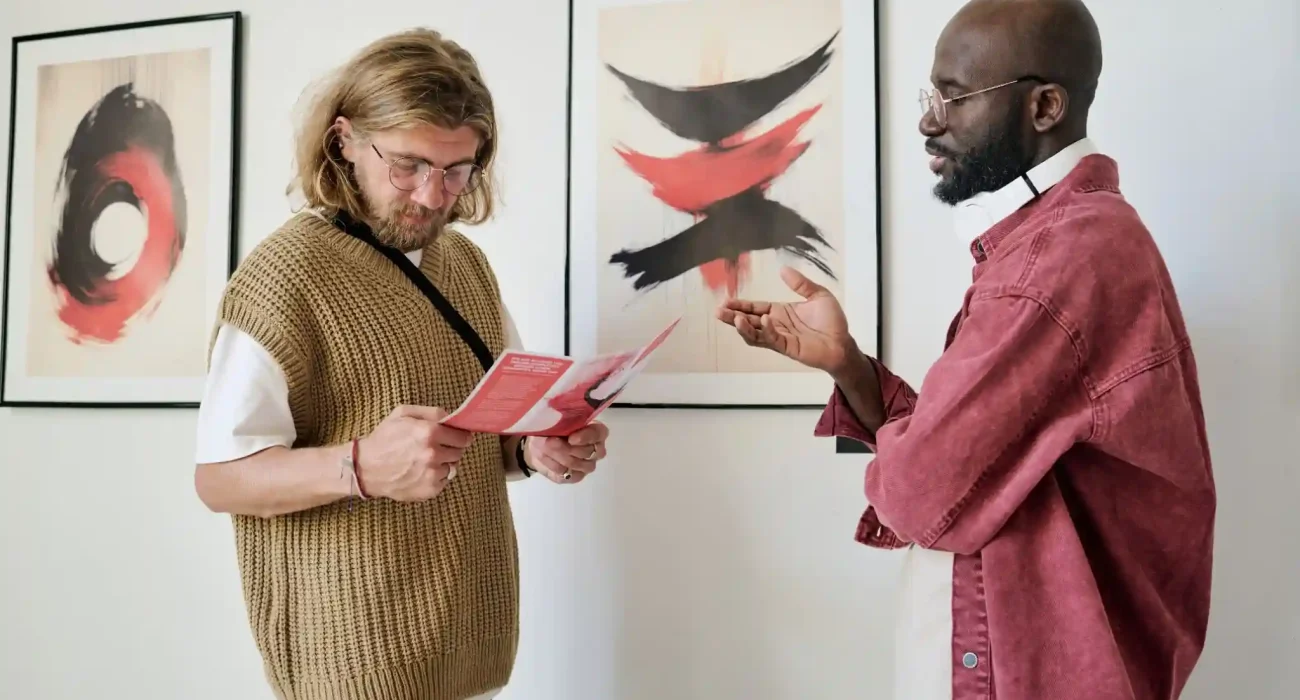
Winning a gallery residency can be a transformative experience for any artist. These opportunities not only provide space and resources for creative exploration but also open doors to new audiences and professional networks. To succeed in the competitive landscape of gallery residencies, preparing for your interview is paramount. This guide offers expert tips to help you shine during your gallery residency interview.
Understanding Gallery Residencies
What is a Gallery Residency?
At its core, a gallery residency is a program that allows artists to create new work within a specific space provided by a gallery or organization. These residencies often come with access to facilities, materials, and sometimes even financial support. Each residency can vary widely in its focus and structure, from short-term stays to year-long commitments.
Benefits of Participating in a Residency
The benefits of participating in a residency are significant. Artists gain the chance to develop their practice in an inspiring environment, often surrounded by other creatives. This collaborative atmosphere fosters artistic growth and can lead to exciting new ideas. Additionally, residencies frequently culminate in exhibitions or open studios, providing valuable exposure to the public and potential buyers.
Preparing for Your Gallery Residency Interview
Researching the Gallery
Preparation is key to navigating your gallery residency interview successfully. Begin by thoroughly researching the gallery. Understand its mission, values, and the types of artists it typically supports. This foundational knowledge will help you align your artistic vision with the gallery’s objectives. For instance, if the gallery focuses on sustainable art practices, be prepared to discuss how your work reflects those values.
Crafting Your Artist Statement
Crafting a compelling artist statement is another critical step in your preparation. Your artist statement should clearly articulate your artistic process, influences, and intentions. Aim for clarity and authenticity in your writing. Avoid jargon and instead, communicate your passion for your work. This document serves as a vital tool during the interview, offering insight into your creative mind.
Common Interview Questions and How to Answer Them
Personal Artistic Journey
Expect to encounter a range of questions during your interview. One common area of inquiry revolves around your personal artistic journey. Interviewers may ask about your background and what influences have shaped your work. This is your chance to share your story. Speak honestly about your experiences, challenges, and triumphs. Authenticity resonates with interviewers and helps them connect with you as an artist.
Project Ideas for the Residency
Another key area of questioning will focus on your project ideas for the residency. Be prepared to present a few potential projects that you would like to develop during your time at the gallery. Clearly outline your vision, the materials you would use, and how the project aligns with the gallery’s mission. Discussing feasibility is crucial. Showcase how your ideas can be realistically executed within the time frame and resources available.
Presenting Your Work Effectively
Choosing Your Portfolio
Your portfolio is a powerful tool during the interview. Choosing the right pieces to showcase is essential. Select works that not only highlight your technical skills but also reflect the themes and ideas you wish to explore during the residency. Aim for a cohesive presentation that tells a story about your artistic journey.
Utilizing Visual Aids
In addition to your physical portfolio, consider utilizing visual aids. Slideshows, videos, or even digital presentations can enhance your narrative. When used effectively, these tools can make your ideas more tangible and engaging. Just ensure that any visual aid you present complements your discussion without overshadowing it.
Building a Connection with Interviewers
Establishing Rapport
Establishing rapport with your interviewers can significantly impact the outcome of your interview. Engage with them actively, making eye contact and demonstrating enthusiasm for the residency. Use open body language to convey warmth and confidence. Remember that interviews are not just about showcasing your work; they are also about connecting with others in the art community.
Asking Thoughtful Questions
Asking thoughtful questions can further enhance your connection with interviewers. Inquire about their experiences with past residents or the gallery’s future direction. Questions like these demonstrate your genuine interest in the program and help you gather insights that could inform your artistic practice.
Following Up After the Interview
The interview may end, but the process doesn’t stop there. Sending a thank-you email is a simple yet effective way to leave a lasting impression. Express your gratitude for the opportunity to interview and reiterate your excitement about the potential to work with the gallery. This gesture not only shows professionalism but also reinforces your enthusiasm for the residency.
Maintaining a professional relationship post-interview can pay off in the long run. Even if you don’t get the residency, staying in touch with the gallery staff can lead to future opportunities. Share updates on your work and engage with their exhibitions and events. Building these relationships is crucial in the art world, where networking can lead to significant opportunities.
Conclusion
Securing a gallery residency can be a pivotal moment in your artistic career. By understanding the residency process, preparing effectively for your interview, and presenting your work authentically, you can significantly increase your chances of success. Remember that every interview is an opportunity to grow, learn, and refine your artistic practice. Embrace the journey, showcase your unique voice, and who knows, a new chapter in your creative life may be just around the corner.
FAQs
1: What is a gallery residency?
A gallery residency is a competitive program that offers artists dedicated studio space, resources, and opportunities to create and showcase new work. These residencies enhance creative development and provide invaluable networking within the art community.
2: How can I prepare for a gallery residency interview?
To prepare for a gallery residency interview, research the gallery’s mission and past residents. Develop a strong artist statement and be ready to discuss your artistic journey and specific project ideas that align with the gallery’s goals.
3: What elements should I include in my artist statement for a gallery residency?
Your artist statement for a gallery residency should include your artistic vision, influences, and creative process. Clearly articulate your goals for the residency and how your work contributes to the gallery’s mission and community engagement.
4: How can I present my portfolio during a residency interview?
Present your portfolio by selecting works that showcase your technical skills and thematic focus. Use visual aids, such as slideshows, to enhance your narrative and engage interviewers, illustrating how your work relates to the residency’s objectives.
5: What are the best follow-up practices after a gallery residency interview?
After a gallery residency interview, send a personalized thank-you email expressing gratitude and excitement about the opportunity. Follow up by sharing updates on your artistic progress and engaging with the gallery’s events to build lasting connections.